 FiberRemedy
Stain Classification & Redox Chemistry
Identify stain types before choosing a treatment
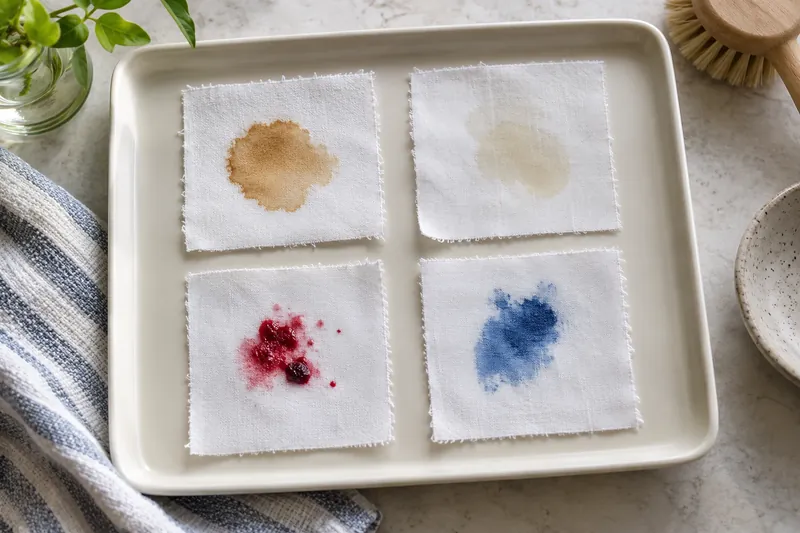
Coffee with milk is not just a tannin stain, and a salad dressing can contain oil plus colored spices.
Before you start
Coffee with milk is not just a tannin stain, and a salad dressing can contain oil plus colored spices. Write down the likely ingredients and what has already been tried. The fiber, dye and finish impose limits even when you have identified the stain correctly.
When a splash of espresso with steamed milk, spaghetti sauce, or grass smear lands on a favorite shirt, the worst mistake is grabbing whatever spray bottle is under the sink—or worse, tossing the garment straight into a warm wash and heated tumble dryer. In textile chemistry, there is no universal stain remover because stains attach to cotton cellulose, wool keratin, and polyester fibers via fundamentally different intermolecular and covalent forces. A reagent that removes one stain class will frequently lock another stain permanently into the yarn lumen. You can look up the exact primary reagent, enzyme class, and fiber temperature limit for 28 specific household soils in our Stain Chemistry × Textile Fiber Safety Lookup Matrix.
The Four Primary Chemical Classes of Household Stains (Plus Inorganic Oxides)
Detergent chemists and museum textile conservators classify all household soils by their molecular backbone and primary cleavage reaction:
Class 1: Proteinaceous Soils (Hemoglobin, Albumin, Casein, Keratin/Sweat)
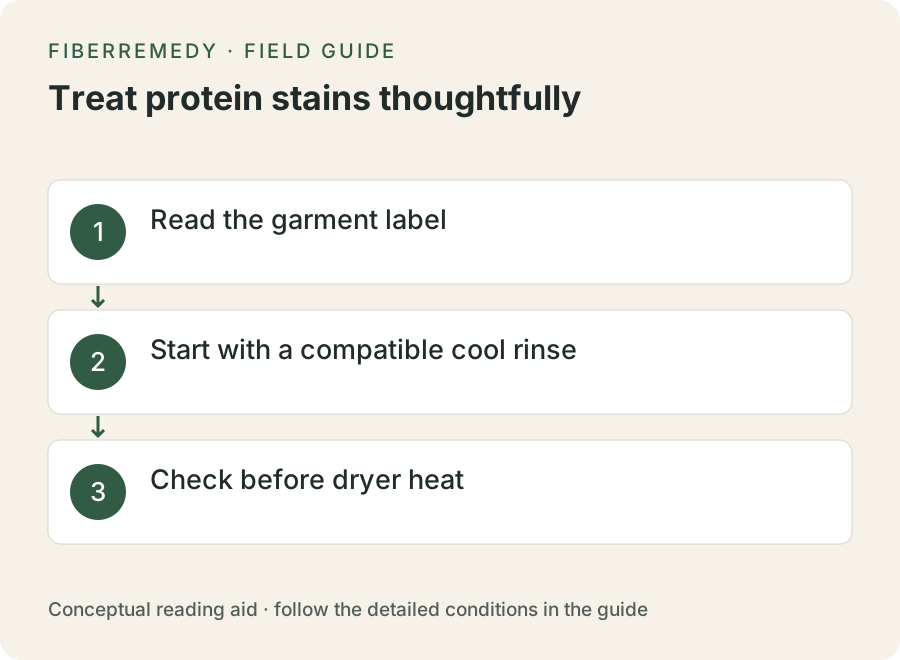
Proteins are folded polyamide biopolymers constructed from amino acids linked by peptide bonds (-CO-NH-). Common examples include blood (hemoglobin and fibrin), raw or cooked egg (ovalbumin), dairy (casein and whey), meat juices (myoglobin), and bodily perspiration/mucus.
- Why they stick: Folded globular proteins are water-dispersible when fresh and cold, but heating above
40 °C (104 °F)(or applying strong alcohol/acid) breaks their internal hydrogen bonds, unfolding the hydrophobic core so adjacent protein chains cross-link into an insoluble rubbery mesh wrapped around textile microfibrils; see Why Hot Water Coagulates Blood and Protein Stains Into Fabric Fibers. - Chemical cleavage: Flush immediately with dead-cold water (
15–25 °C) (plus1% NaClsaline for blood to keep globulins soluble), then digest the peptide backbone using catalytic subtilisin protease (EC 3.4.21.62) (Laundry Enzymes Explained). (Exception: Never use protease on silk or wool, which are protein fibers themselves!)
Class 2: Tannin & Polyphenol Chromophores (Red Wine, Coffee, Tea, Berries)
Tannins, anthocyanins, chlorogenic acids, and theaflavins are water-soluble plant polyphenols containing multiple aromatic benzene rings substituted with phenolic hydroxyl groups (Ar-OH) and conjugated double bonds (-C=C-C=C-) that absorb visible light strongly.
- Why they stick: Phenolic
-OHgroups form dense multi-point hydrogen bonds with cotton/linen cellulose hydroxyls and ionic/coordinate bonds with wool amide groups, acting like natural botanical dyes. Applying alkaline bar soap (pH 10) to fresh red wine deprotonates red flavylium cations into blue-gray quinoidal bases without removing them. - Chemical cleavage: Flush cool with nonionic surfactant, then oxidize the conjugated aromatic rings into colorless, water-soluble carboxylic fragments using sodium percarbonate (
2Na₂CO₃ · 3H₂O₂, oxygen bleach) on cotton/synthetics or cool3%hydrogen peroxide on protein fibers (Sodium Percarbonate vs. Sodium Hypochlorite Guide).
Class 3: Triglycerides, Sebum Waxes & Hydrocarbons (Butter, Cooking Oil, Collar Rings, Motor Oil)
Lipid stains consist of non-polar hydrophobic carbon chains (C12 to C40): culinary triacylglycerols (vegetable oils, butter, lard), human sebum (wax esters, squalene, and triglycerides), cosmetic waxes (lipstick, lanolin), and petroleum alkanes (motor oil, paraffin wax).
- Why they stick: Because lipids have zero affinity for plain water, they wet hydrophobic polyester (
PET) fibers via strong dispersion forces (cos θ → 1) and solidify inside cotton yarn crevices when wash water is colder than their melting point (35–42 °Cfor human sebum and animal fats). - Chemical cleavage: Reduce oil-water interfacial tension (
γ_os < 2 mN/m) by applying neat liquid nonionic surfactant (alcohol ethoxylates) directly to the dry stain, hydrolyze glycerol ester bonds with triacylglycerol lipase (EC 3.1.1.3), and wash at the warmest fiber-safe temperature (40–55 °C) to melt waxy solids into liquid droplets that roll off into surfactant micelles.
Class 4: Conjugated Polyene Pigments & Synthetic Dyes (Turmeric, Tomato Lycopene, Grass, Ink)
Pigments and dyes owe their intense color to long conjugated π-electron systems (such as curcumin in turmeric, C40 lycopene in tomatoes, chlorophyll porphyrin rings in grass, and triarylmethane/azo dyes in ballpoint ink) that are insoluble in plain water.
- Chemical cleavage: Solubilize the carrier binder first (using
70–91%isopropyl alcohol for ballpoint ink and grass chlorophyll), then cleave the conjugated double bonds (-C=C-) via singlet-oxygen UV-A/blue-light photobleaching in direct sunlight (Sunlight UV Photobleaching of Turmeric and Tomato Stains), percarbonate oxidation, or—for accidental laundry dye bleed—sodium dithionite (Na₂S₂O₄) reductive stripping.
Class 5 (Bonus): Inorganic Metal Oxides & Coordination Salts (Iron Rust, Deodorant Al/Zr, Mud)
Inorganic stains (ferric oxide rust Fe₂O₃, aluminum-zirconium antiperspirant plugs, and calcium/magnesium soap scum) cannot be bleached. Adding chlorine or oxygen bleach to iron rust or aluminum deodorant oxidizes and precipitates the metal permanently into the fabric! Instead, they require acidic protonation and polydentate chelation (oxalic acid for iron rust; citric/acetic acid for aluminum-zirconium; see Removing Yellow Underarm Deodorant Build-Up).
| Stain Class | Representative Examples | Primary Cleavage Reaction | Ideal Temp (Cotton) |
Fatal Error That Sets the Stain |
|---|---|---|---|---|
| 1. Proteins | Blood, egg, dairy, sweat, gravy | Cold flush + Protease peptide hydrolysis | Cold (20–30 °C) |
Hot water (>40 °C), ironing, or isopropyl alcohol coagulation. |
| 2. Tannins | Red wine, coffee, tea, berries | Sodium percarbonate (HOO⁻) oxidation |
Warm (40–55 °C) |
Alkaline bar soap without oxidizer; heated dryer before oxidation. |
| 3. Lipids / Oils | Sebum, butter, salad oil, grease | Neat nonionic surfactant + Lipase | Warm–Hot (45–60 °C) |
Cold water wash alone (fails to melt waxy sebum/tallow esters). |
| 4. Pigments / Dyes | Turmeric, tomato, grass, ink | IPA solvent + UV photobleaching / Na₂S₂O₄ |
Cool–Warm (30–40 °C) |
Heated tumble dryer (drives hydrophobic pigments into PET pores). |
| 5. Inorganic Oxides | Iron rust (Fe₂O₃), Al/Zr deodorant |
Acidic chelation (oxalic / citric acid) | Warm (35–45 °C) |
Chlorine (NaOCl) or oxygen bleach (fixes metal oxides permanently). |
The 3-Step Sequential Rule for Combination Stains
Most real-world dining and kitchen accidents are multi-class combination stains:
- Latte or Cappuccino:
Milk Casein/Whey (Protein)+Milkfat (Triglyceride)+Coffee Chlorogenic Acid (Tannin). - Bolognese / Pizza Sauce:
Beef Myoglobin/Collagen (Protein)+Olive Oil/Tallow (Triglyceride)+Tomato Lycopene (Polyene Pigment). - Chocolate Ice Cream:
Milk Casein (Protein)+Cocoa Butter (Triglyceride)+Locust Bean/Guar Gum (Mannan Polysaccharide)+Cocoa Polyphenols (Tannin).
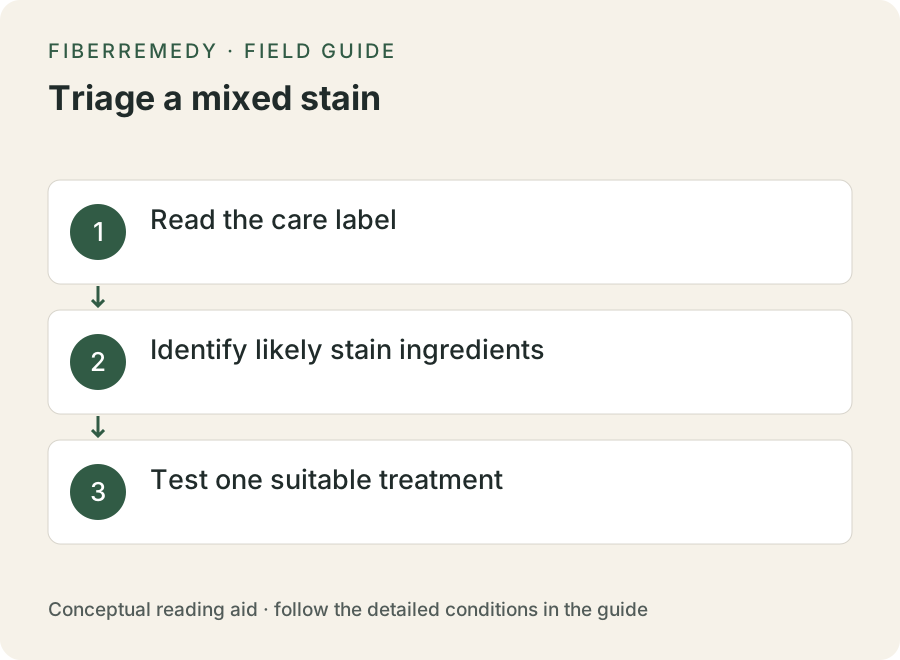
If you attack a cappuccino or bolognese stain with hot 55 °C water and alkaline oxygen bleach first to kill the coffee tannin or melt the oil, you immediately cook and cross-link the milk or meat protein over the oil and pigment, encapsulating the entire stain inside an insoluble protein shell! Always disassemble combination stains in this exact three-stage sequence:
Universal 3-Stage Sequence for Multi-Component Combination Stains:
  Stage 1 (Cold Enzymatic Uncapping — 20–30°C, 20 min):
    Flush cold, then soak in Protease + Amylase + Mannanase to cleave the outer protein/starch/gum cage.
  Stage 2 (Warm Micellar Emulsification — 40–50°C):
    Once proteins are digested and rinsed away, raise temperature and apply Nonionic Surfactant + Lipase
    to roll up and emulsify the unlocked triglycerides and waxes.
  Stage 3 (Chromophore Oxidation / Photobleaching — 40–55°C or Sunlight):
    Oxidize any remaining polyphenol/tannin or polyene shadow with Sodium Percarbonate or direct UV-A sunlight.
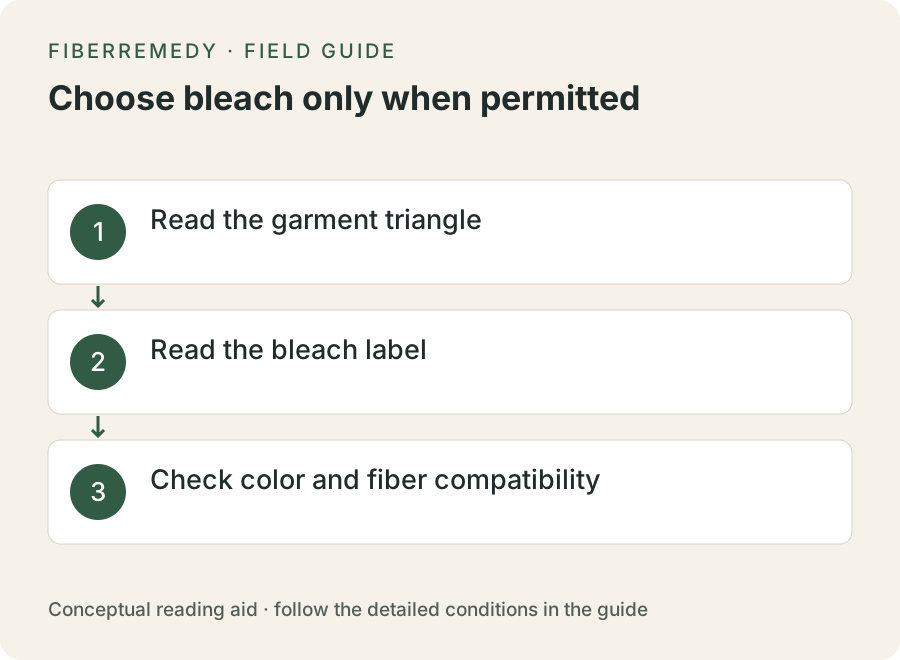
*(Golden Rule: NEVER machine-dry or iron between stages — air-dry slightly to inspect before moving to the dryer!)*Before choosing a wash cycle temperature or bleach additive for your garment, check its five care symbols in our ISO 3758 & ASTM D5489 Garment Care Symbol Decoder.
Practical check: what to observe
Inspect after treatment before applying dryer heat. Record whether the mark lightened, spread or changed color. Rinse as directed between permitted treatments; do not combine cleaning agents in an attempt to cover every possible stain category at once.
- Read the care label
- Identify likely stain ingredients
- Test one suitable treatment
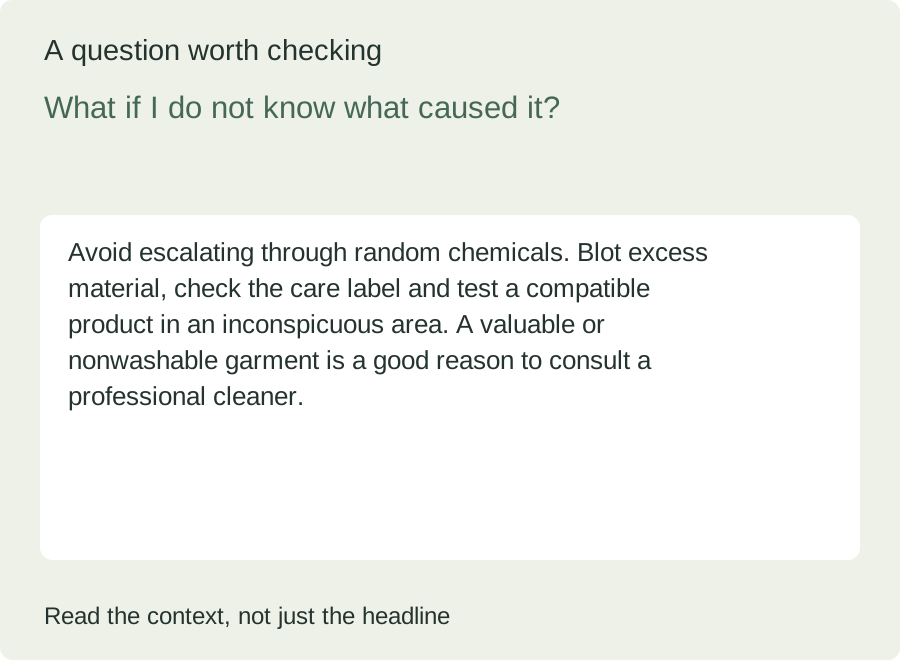
What if I do not know what caused it?
Avoid escalating through random chemicals. Blot excess material, check the care label and test a compatible product in an inconspicuous area. A valuable or nonwashable garment is a good reason to consult a professional cleaner.
For more context, see the topic FAQ and glossary. A reference value or example should be read with its units, assumptions and product-specific conditions.
Sources and scope
The references below were supplied with the original manuscript. A reference is not evidence that every numerical claim has been independently checked. See the source library and our verification status.
- AATCC Technical Manual – Test Method 130 (Soil Release: Oily Stain Release Method)
- Handbook of Detergents, Part A: Properties (Guy Broze, CRC Press) – Soil Classification and Detergency Mechanisms
- Journal of Surfactants and Detergents – Sequential Removal of Multi-Component Protein, Lipid, and Polyphenol Soils
Put the explanation to work
Continue reading
Spot a questionable claim or a calculation issue? Read our correction process and contact information. Examples and illustrations are educational; they do not establish product suitability or a laboratory result.