 FiberRemedy
Perspectives
Repair or replace? A calmer way to decide about clothes
The best decision is not always the most romantic one.
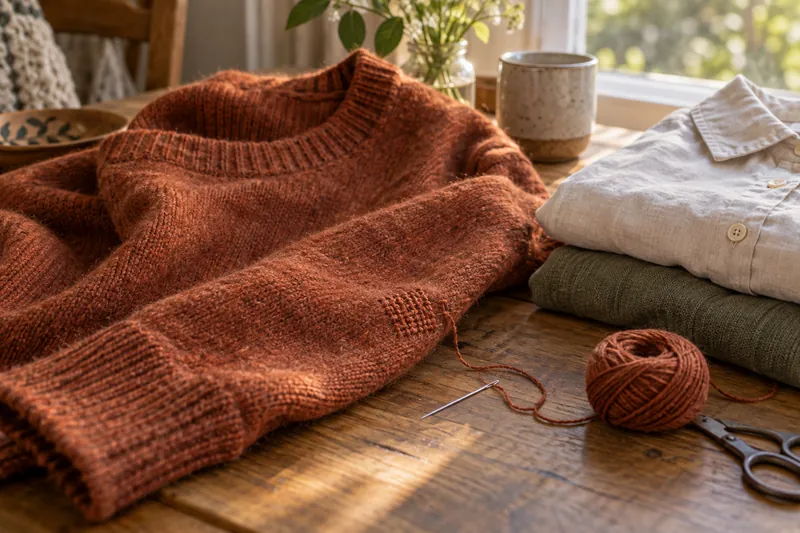
Perspective. An editorial reflection on preferences and everyday life. It does not report a survey or classify people by their tastes.
Before you start
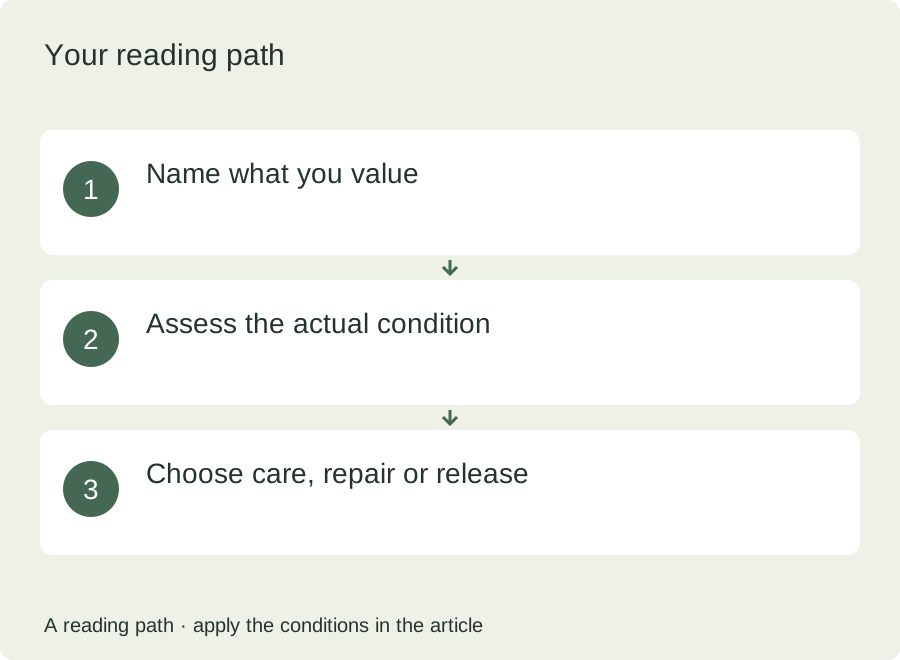
The best decision is not always the most romantic one. Look at the damage, the role of the garment and whether a repair would restore something you still want to wear.
Describe the problem precisely
A loose button, a worn area and a poor overall fit are different problems. Identify what needs to change before deciding that the whole garment is finished. If you are unsure about the construction or damage, ask a suitable repair professional for an assessment rather than promising yourself an invisible fix.
Ask what success would mean
Would a visible repair suit you, or would it stop you wearing the item? Does the garment still fit and feel comfortable? Repairing a small flaw may be sensible, but it will not solve an unrelated fit problem. Define the outcome you need before judging the cost.
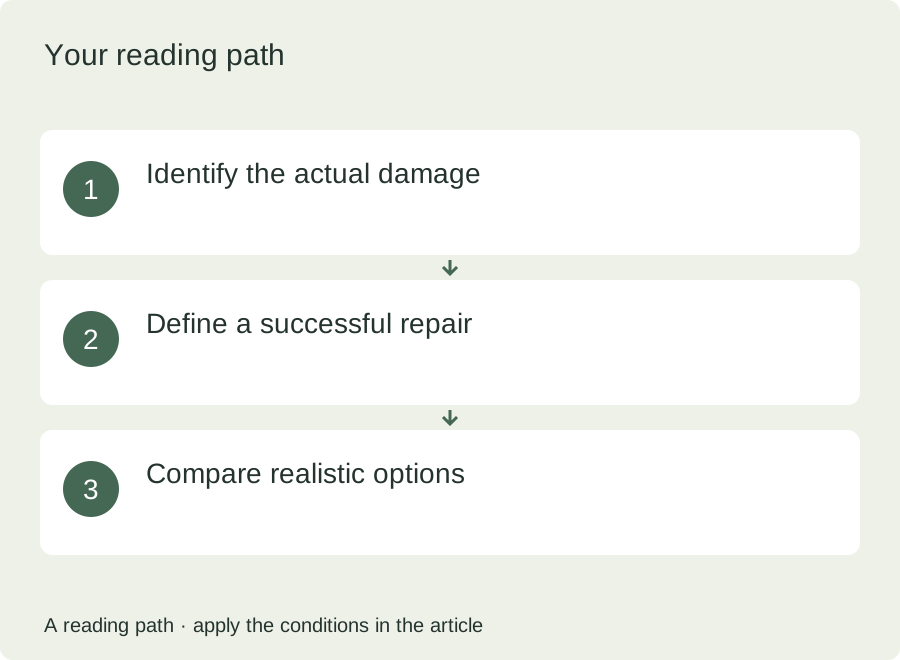
Compare with a realistic replacement
The alternative is not an imaginary perfect garment. Consider the time required to find a replacement, likely alterations and whether it would serve the same role. Equally, do not count hoped-for decades of use as guaranteed value. Keep both repair and replacement estimates honest.
Get a decision-shaped repair estimate
When asking about a repair, describe how you want to use the garment afterward. Ask what will remain visible, what the work can reasonably address and whether another worn area may limit continued use. A price without that context is difficult to compare with replacement. If the proposed result suits you, a visible change can become part of the garment’s character. If it does not, declining the repair is allowed. The aim is an item you will actually use, not a receipt that proves you made the theoretically most virtuous choice.
Allow more than two endings
You might repair, alter, keep for a different use or retire the item. A decision can respect the garment without requiring continued wear. Avoid donating something in a condition the recipient cannot reasonably use. The practical aim is to choose the next step deliberately, not to win a universal rule about keeping everything.
Practical check: what to observe
Use the questions below to consider your own preferences. This article is an editorial perspective, not a survey or a way to classify other people.
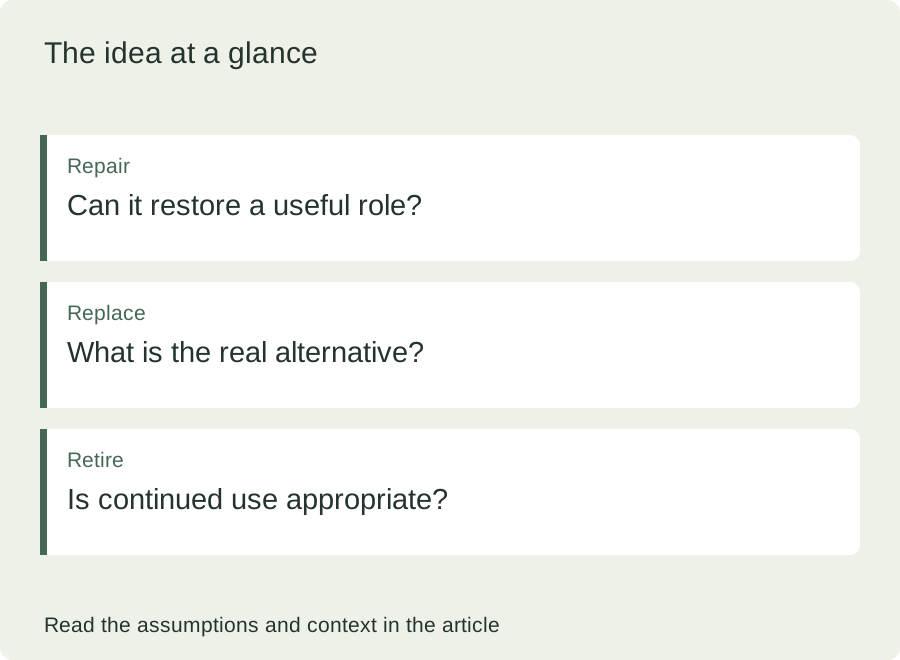
- Identify the actual damage
- Define a successful repair
- Compare realistic options
Is visible repair always better than replacement?
No. It is an aesthetic and practical option, not a universal answer. Suitability, cost, comfort and the garment’s intended use remain relevant.
For more context, see the topic FAQ and glossary. A reference value or example should be read with its units, assumptions and product-specific conditions.
Sources and scope
This is original editorial commentary. Examples of preferences are illustrative, not findings from a survey or psychological study. Read the editorial policy for sourcing, AI assistance and corrections.
Put the explanation to work
Continue reading
Spot a questionable claim or a calculation issue? Read our correction process and contact information. Examples and illustrations are educational; they do not establish product suitability or a laboratory result.