 FiberRemedy
Perspectives
Why cared-for clothes can feel more considered than new ones
A wardrobe can feel deliberate because it fits your life.
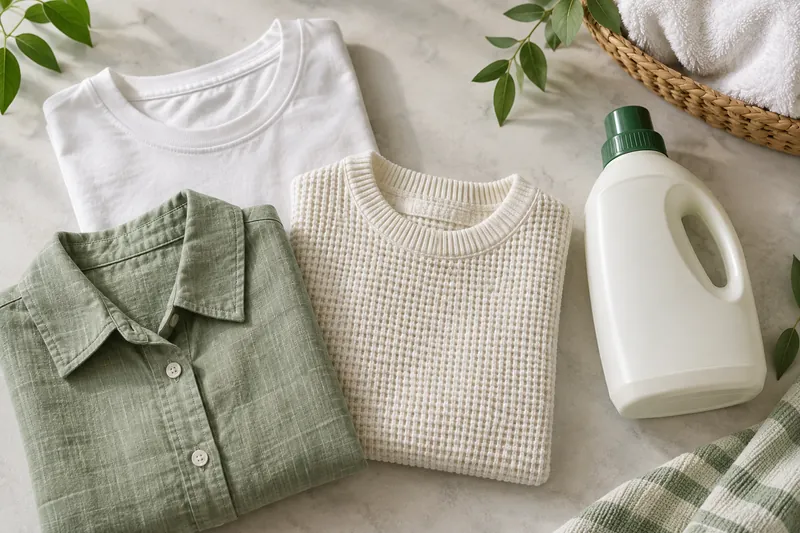
Perspective. An editorial reflection on preferences and everyday life. It does not report a survey or classify people by their tastes.
Before you start
A wardrobe can feel deliberate because it fits your life. Fresh purchases are only one way to change how getting dressed feels.
Notice the small sources of friction
A loose fastening, an awkward sleeve length or an item that is never ready when needed can quietly make dressing less pleasant. Addressing a specific problem may help more than adding another similar piece. Start with what interrupts your own routine instead of borrowing someone else’s image of a perfect wardrobe.
Define considered on your terms
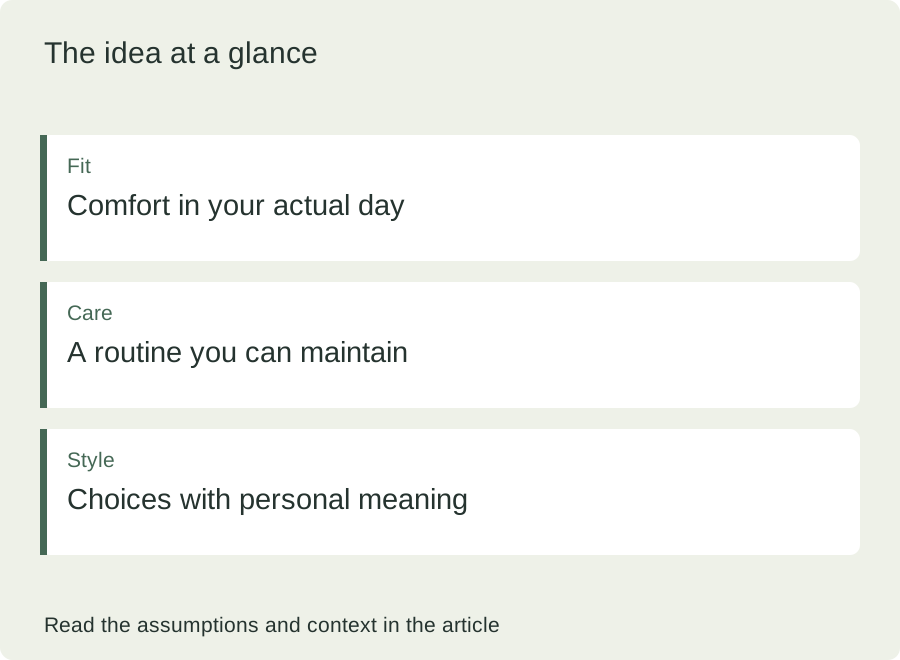
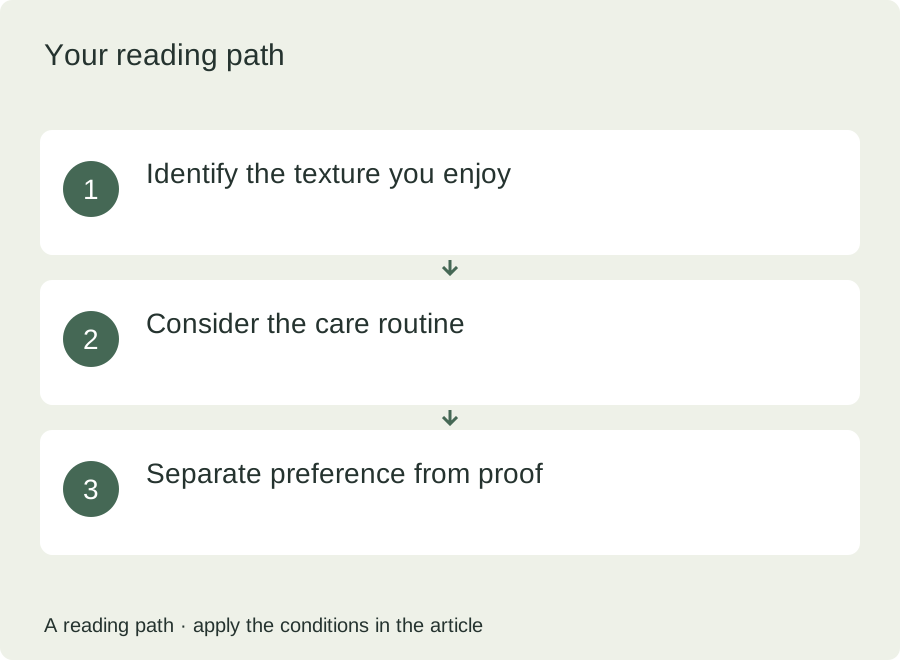
For one person it means a pressed shirt; for another it means an easy knit with a lived-in texture. Neither preference establishes higher status. A considered wardrobe is one where choices have a reason that makes sense to the wearer, including comfort and the amount of care they can realistically maintain.
Make maintenance achievable
Choose a short, appropriate routine rather than an ambitious ritual you will avoid. Keep care instructions accessible and schedule repairs you actually intend to complete. The goal is readiness, not endless attention to imperfections. Clothing should support your day rather than consume all the space around it.
Start with the clothes you reach for
Look at the last few garments you chose repeatedly and ask what made them easy to wear. The answer may be comfort, fit, readiness or compatibility with the rest of your wardrobe. Then look at one neglected piece and identify the friction. If it needs a feasible alteration or an appropriate care step, you have a specific action. If it belongs to a life you no longer live, maintenance may not solve the mismatch. Personal style becomes easier to understand when it begins with these real choices rather than a list of objects that supposedly signal good taste.
Leave room for change
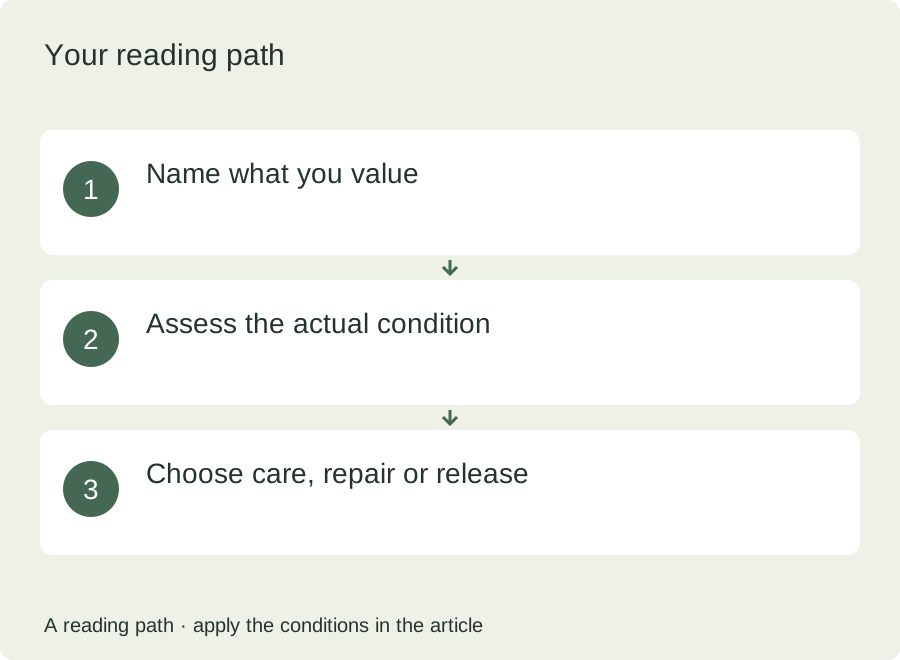
Bodies, work and preferences change. A garment that once felt right may no longer belong in your daily rotation. Caring for clothes does not mean preserving every past version of yourself. You can appreciate what an item offered and still make room for a different need.
Practical check: what to observe
Use the questions below to consider your own preferences. This article is an editorial perspective, not a survey or a way to classify other people.
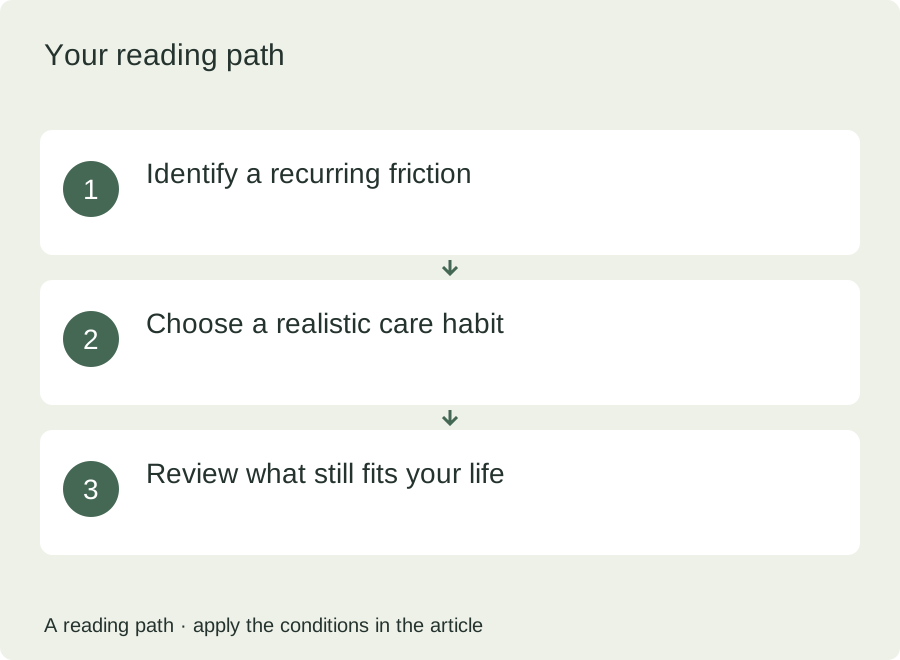
- Identify a recurring friction
- Choose a realistic care habit
- Review what still fits your life
Do I need an expensive wardrobe to look considered?
No. Price is not a reliable measure of fit, readiness or personal coherence. This is an editorial perspective, not a rule about how other people should dress.
For more context, see the topic FAQ and glossary. A reference value or example should be read with its units, assumptions and product-specific conditions.
Sources and scope
This is original editorial commentary. Examples of preferences are illustrative, not findings from a survey or psychological study. Read the editorial policy for sourcing, AI assistance and corrections.
Put the explanation to work
Continue reading
Spot a questionable claim or a calculation issue? Read our correction process and contact information. Examples and illustrations are educational; they do not establish product suitability or a laboratory result.