 FiberRemedy
Explainers
Why the first wash deserves a little extra attention
A new garment introduces an unknown into your laundry routine.
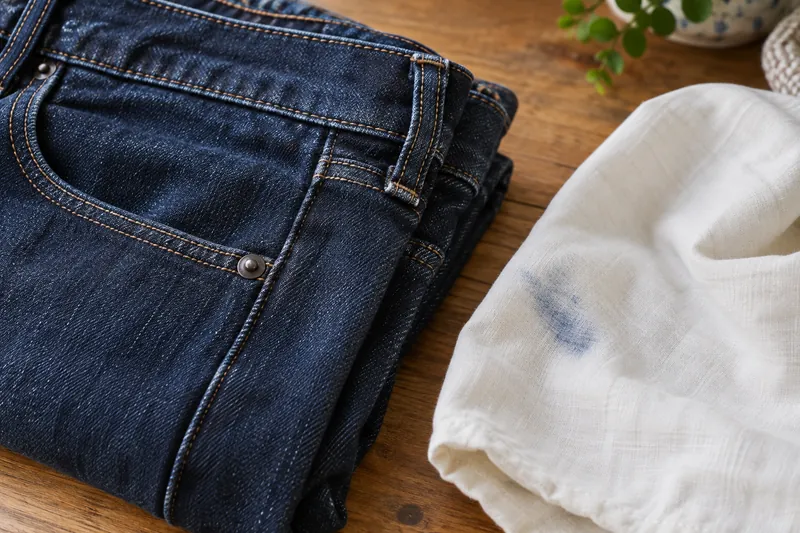
Before you start
A new garment introduces an unknown into your laundry routine. Its color, finish and construction have not yet shown how they behave in your own care process.
Start with the attached instructions
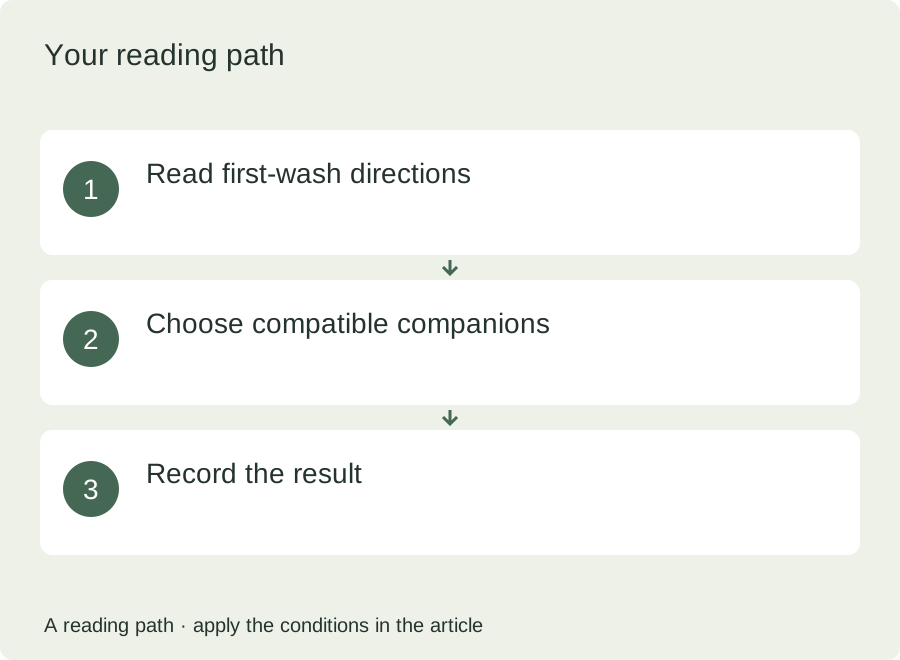
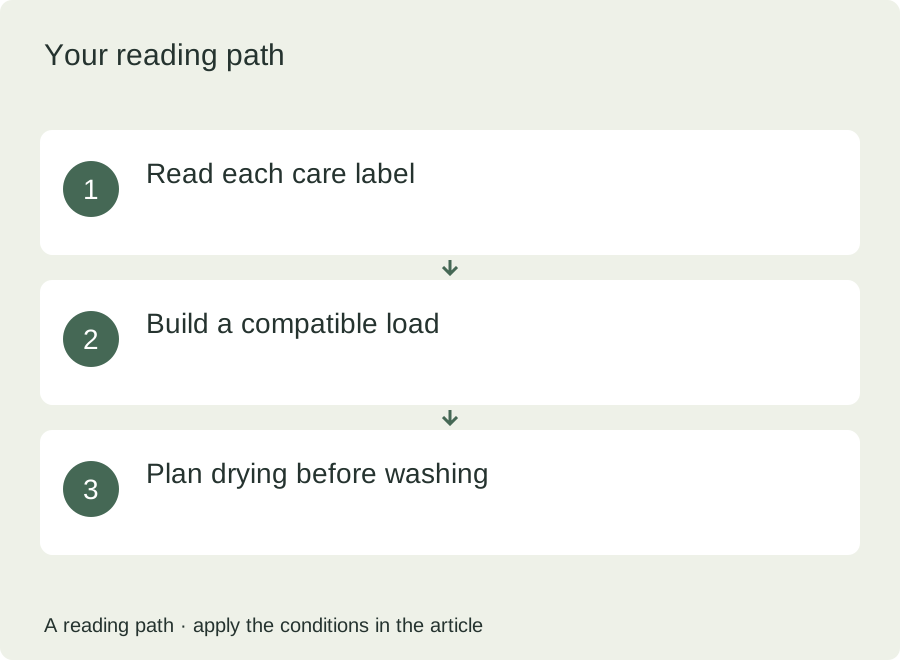
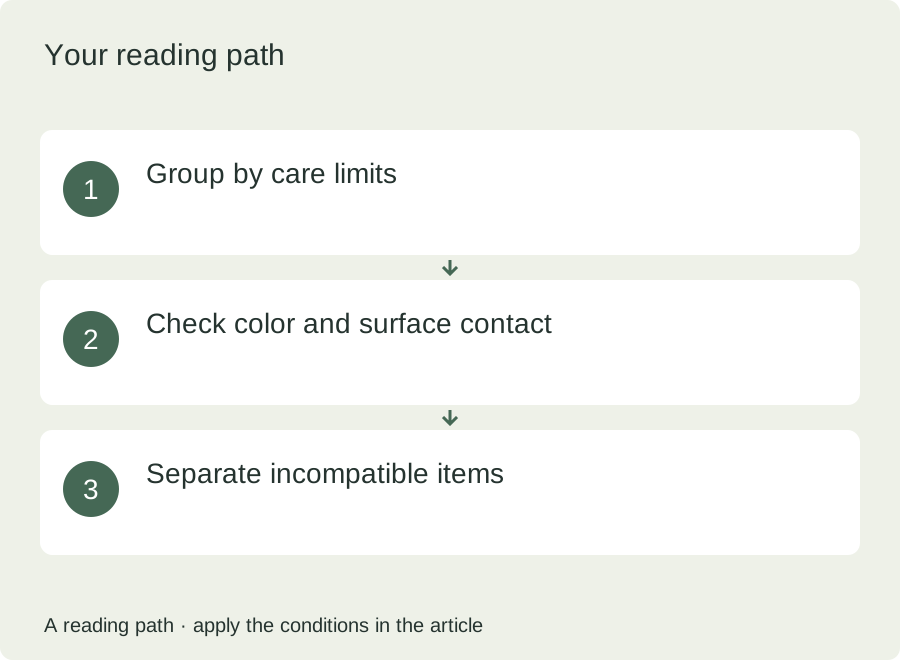
Read the label and any first-wash directions before removing packaging or tags you may need for a return. Follow instructions about washing separately or with similar colors. A familiar fiber name does not establish that a new dye or finish will behave like an older garment in your wardrobe.
Keep uncertainty out of a mixed load
Avoid using a favorite light garment as the test companion for a new strongly colored item. Build the first load around compatible care directions. Accessories marketed for color transfer should be used as directed, but do not assume they cancel every risk or allow incompatible washing conditions.
Observe more than color
After the permitted process, inspect shape, texture, seams and trims as well as dye transfer. Compare with how the garment looked before washing. A quick photograph of the original fit can help your own record, although it is not a laboratory measurement and lighting can change apparent color.
Keep a first-care record for an unfamiliar item
Before the first permitted wash, take a clear photograph of the label and note any special instructions. If you later see an unexpected change, record the actual program, product and drying method while you still remember them. Avoid converting uncertainty into a confident claim that the dye failed or the machine caused the issue. The record helps a seller or manufacturer understand the conditions. It is also useful for you: the next time the garment reaches the basket, you can retrieve its specific care history rather than treating it as just another dark shirt.
Use the result for future sorting
If the item needs special handling, record it where you sort laundry. Do not assume one uneventful wash guarantees every later combination. A change of detergent, temperature or cycle introduces new conditions. If the label-compliant process produces an unexpected change, contact the seller or manufacturer with the care history.
Practical check: what to observe
Start with the situation described in this article, then follow the applicable product instructions. Keep a short note of what you observe so a later decision has context.
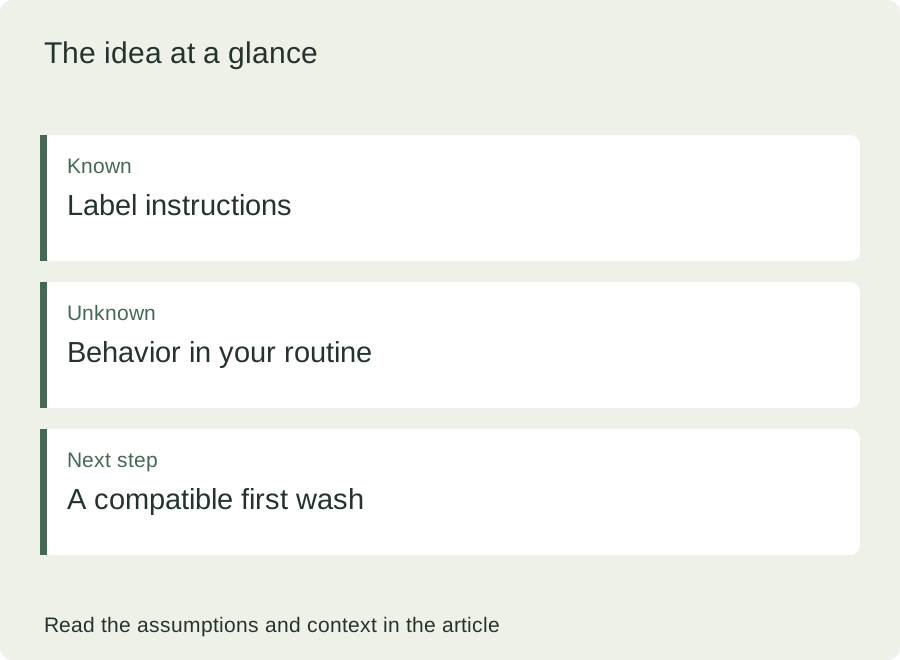
- Read first-wash directions
- Choose compatible companions
- Record the result
Does dark color always mean an item will bleed?
No. Appearance alone cannot predict colorfastness. Use the label, manufacturer directions and the specific garment’s history.
For more context, see the topic FAQ and glossary. A reference value or example should be read with its units, assumptions and product-specific conditions.
Sources and scope
The reading below provides context for the relevant care or brewing principles. The article’s scenarios and decision questions are original editorial explanations, not independent product tests. Read the editorial policy for sourcing, AI assistance and corrections.
Put the explanation to work
Continue reading
Spot a questionable claim or a calculation issue? Read our correction process and contact information. Examples and illustrations are educational; they do not establish product suitability or a laboratory result.