 FiberRemedy
Explainers
Five laundry habits worth checking before buying another product
When laundry disappoints, start with the routine you can observe.
Before you start
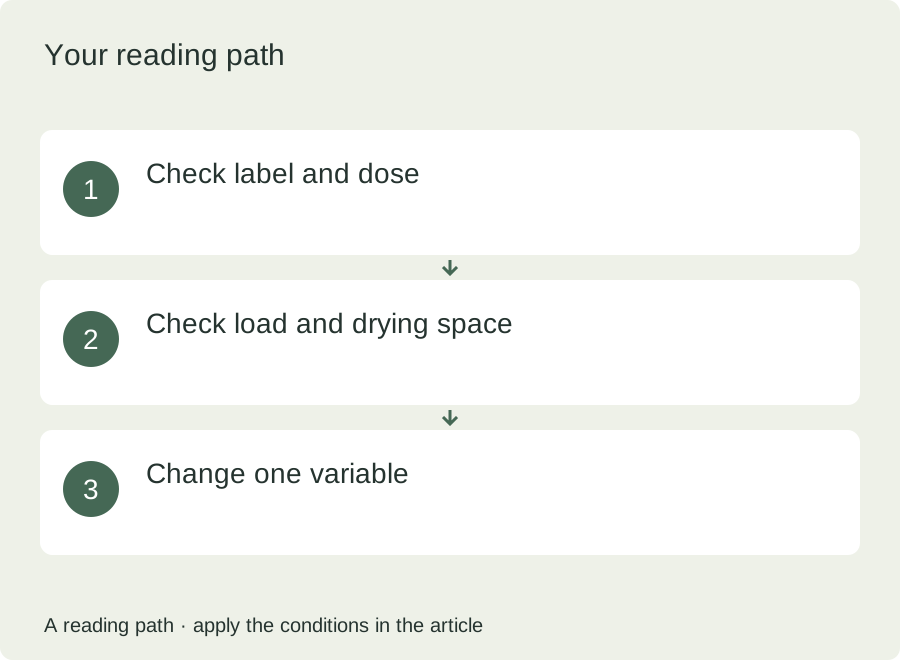
When laundry disappoints, start with the routine you can observe. A new product may be unnecessary if the label, dose or drying plan is being missed.
Skipping the label and guessing the dose
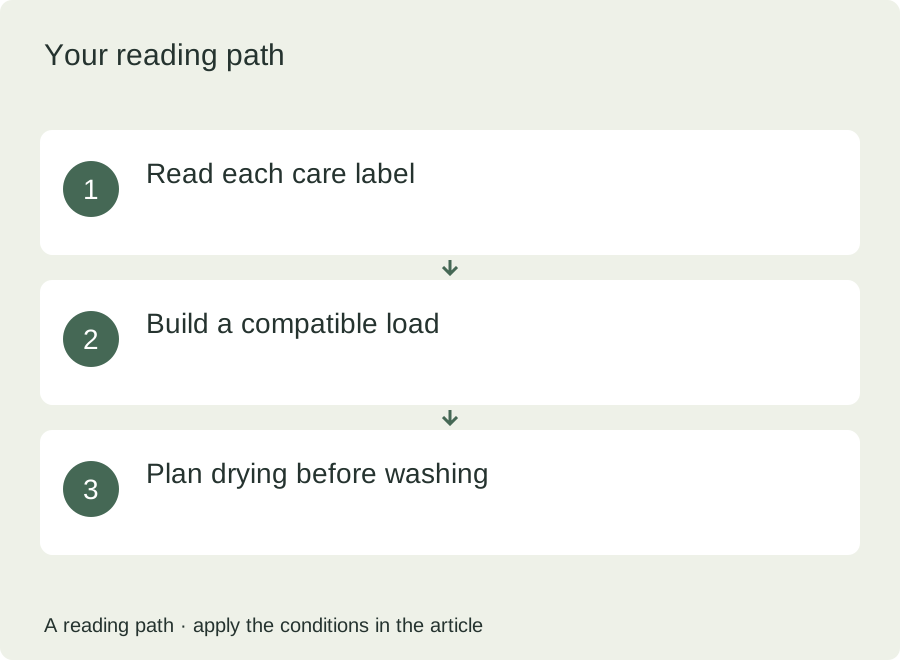
These are two different habits with a similar consequence: the process becomes hard to repeat. Read the care instructions and measure according to the product directions. A favorite detergent does not make every garment compatible with the same cycle, and the cap’s physical size is not always the intended dose.
Filling the drum by appearance alone
A machine’s capacity and program restrictions deserve more weight than the urge to empty the basket. Bulky or delicate items may need different handling from an ordinary load. If you repeatedly force the final few items in, divide the load and consult the manual rather than guessing where the limit lies.
Starting without a drying plan
This fourth habit creates a problem after the machine finishes. Required flat-drying space or appropriate hanging room cannot be improvised indefinitely. Check the finishing instructions before washing and leave enough time. Avoid treating a hot dryer as the default escape from an unrealistic deadline.
Audit one ordinary load
Write down five observations from the last load: whether labels were checked, the measured dose, how capacity was assessed, the drying plan and which variables changed from the previous wash. Choose one weak point you can fix using the relevant instructions. Do not turn the audit into a shopping list. If the main issue was not having space to dry a knit, another detergent will not create that space. If the issue was an unreadable cap, reorganizing the wardrobe will not clarify the dose. Match the response to the observed problem before adding complexity.
Changing everything at once
The fifth habit makes troubleshooting inconclusive. If product, program, dose and drying all change, an improved result does not identify which change mattered. Keep a brief record and test one suitable adjustment at a time. Start with the manufacturer directions instead of an elaborate reset routine from an unverified post.
Practical check: what to observe
Start with the situation described in this article, then follow the applicable product instructions. Keep a short note of what you observe so a later decision has context.
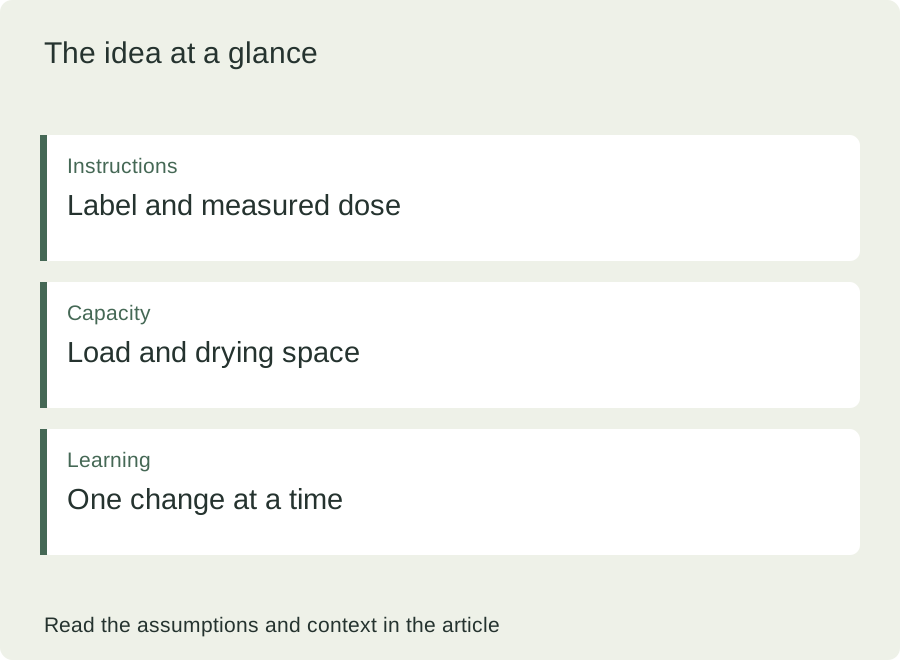
- Check label and dose
- Check load and drying space
- Change one variable
Must a good routine use many specialist products?
Not necessarily. The useful collection depends on the garments and tasks you actually have. More products do not compensate for incompatible care or unclear dosing.
For more context, see the topic FAQ and glossary. A reference value or example should be read with its units, assumptions and product-specific conditions.
Sources and scope
The reading below provides context for the relevant care or brewing principles. The article’s scenarios and decision questions are original editorial explanations, not independent product tests. Read the editorial policy for sourcing, AI assistance and corrections.
Put the explanation to work
Continue reading

Spot a questionable claim or a calculation issue? Read our correction process and contact information. Examples and illustrations are educational; they do not establish product suitability or a laboratory result.