 FiberRemedy
Explainers
The laundry-day plan that starts with the drying rack
The bottleneck is often what happens after washing.

Before you start
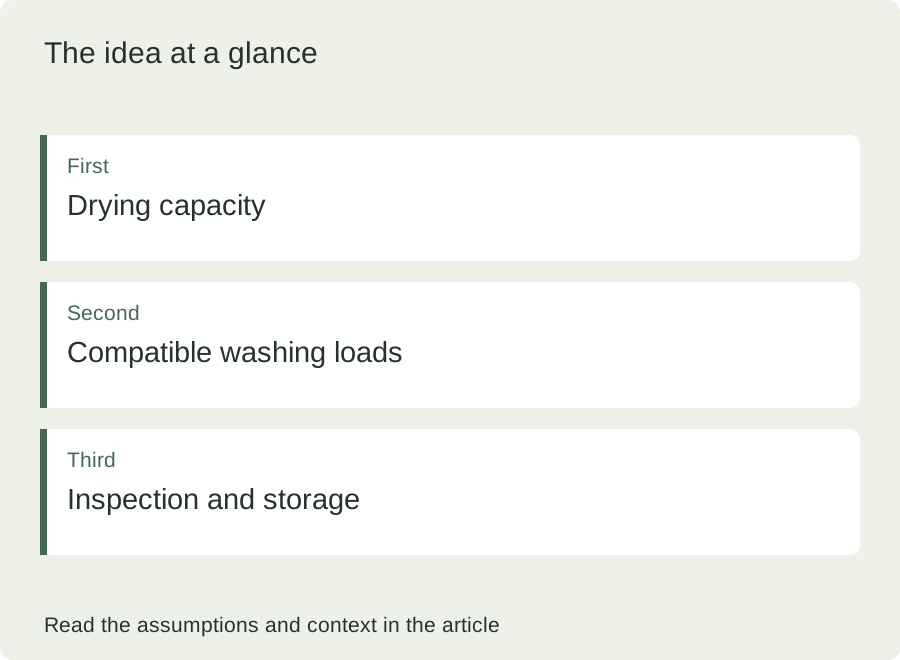
The bottleneck is often what happens after washing. Planning from the finish can make laundry less rushed and reduce last-minute care compromises.
Start with what you need tomorrow
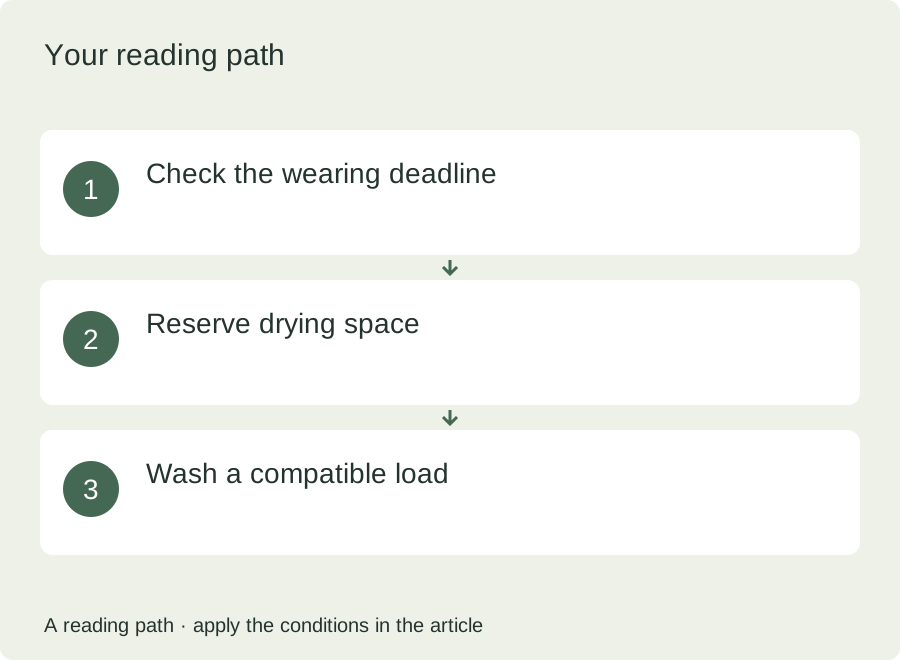
Separate urgent items from the general basket. Check whether their required drying process can realistically finish in time. If not, choose a different garment to wear instead of forcing a prohibited drying method. A care routine works better when the deadline is honest.
Reserve the right drying space
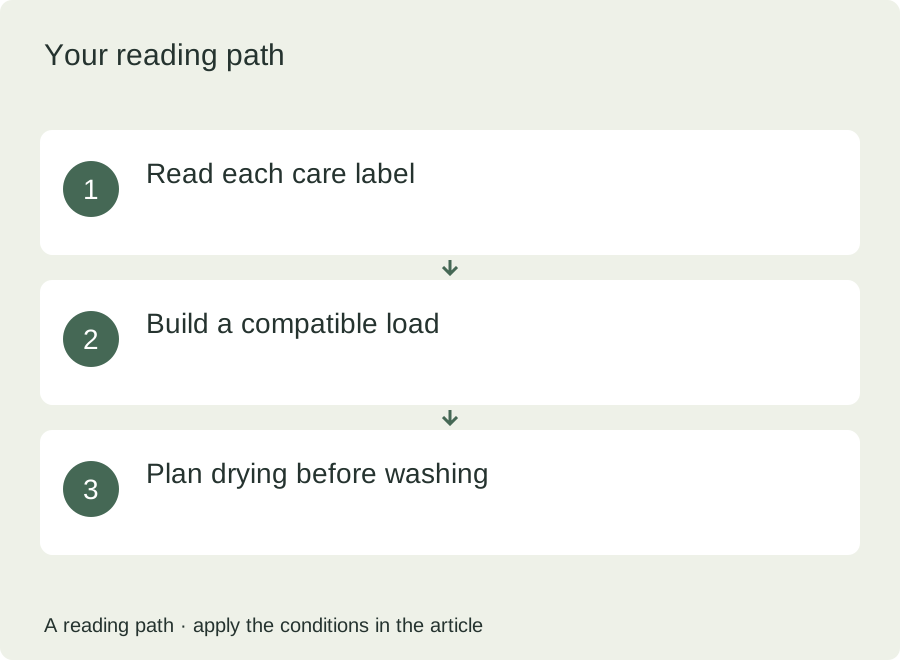
Count the flat-dry surfaces, hanger positions and rack space you can actually use. Avoid planning several loads that all need the same limited area. A shorter wash cycle does not create more drying space. This is why scheduling the finish can be more useful than starting the machine as early as possible.
Make compatible loads
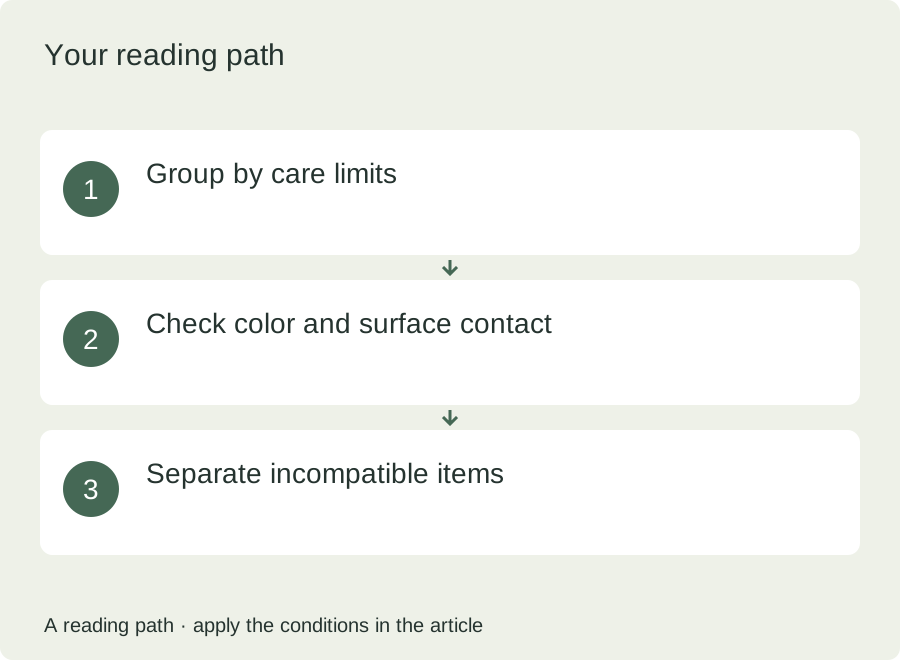
Group the prepared items by their real care requirements. Read the detergent directions after you know the load, and keep unfamiliar stained items out until you have a suitable treatment plan. A separate decision tray or basket can prevent uncertain pieces from disappearing into an ordinary wash.
Schedule backward from the wearing time
Suppose a garment is needed on Thursday morning and its label requires a drying process you cannot rush. Work backward: it must be dry and ready before then, so reserve the required drying area and choose an earlier washing opportunity. If the schedule no longer works, choose an alternative outfit. This is a practical planning decision, not a reason to invent a faster care method. The same approach can organize several household loads: put the item with the least flexible finishing requirement on the schedule first, then fit ordinary loads around the available space.
Close the loop
Inspect and put away dry items before beginning another batch that needs the same area. Note recurring problems such as a rack too small for a favorite knit. Solving that practical bottleneck may do more for the routine than buying another product. Leave room for the occasional item that takes longer than expected.
Practical check: what to observe
Start with the situation described in this article, then follow the applicable product instructions. Keep a short note of what you observe so a later decision has context.
- Check the wearing deadline
- Reserve drying space
- Wash a compatible load
Is running several loads back to back always more efficient?
Only if you can handle the next stages properly. Drying space, attention and garment-care limits can be more restrictive than machine availability.
For more context, see the topic FAQ and glossary. A reference value or example should be read with its units, assumptions and product-specific conditions.
Sources and scope
The reading below provides context for the relevant care or brewing principles. The article’s scenarios and decision questions are original editorial explanations, not independent product tests. Read the editorial policy for sourcing, AI assistance and corrections.
Put the explanation to work
Continue reading
Spot a questionable claim or a calculation issue? Read our correction process and contact information. Examples and illustrations are educational; they do not establish product suitability or a laboratory result.